2026 – Oct.
Understanding Accessory Dwelling Units
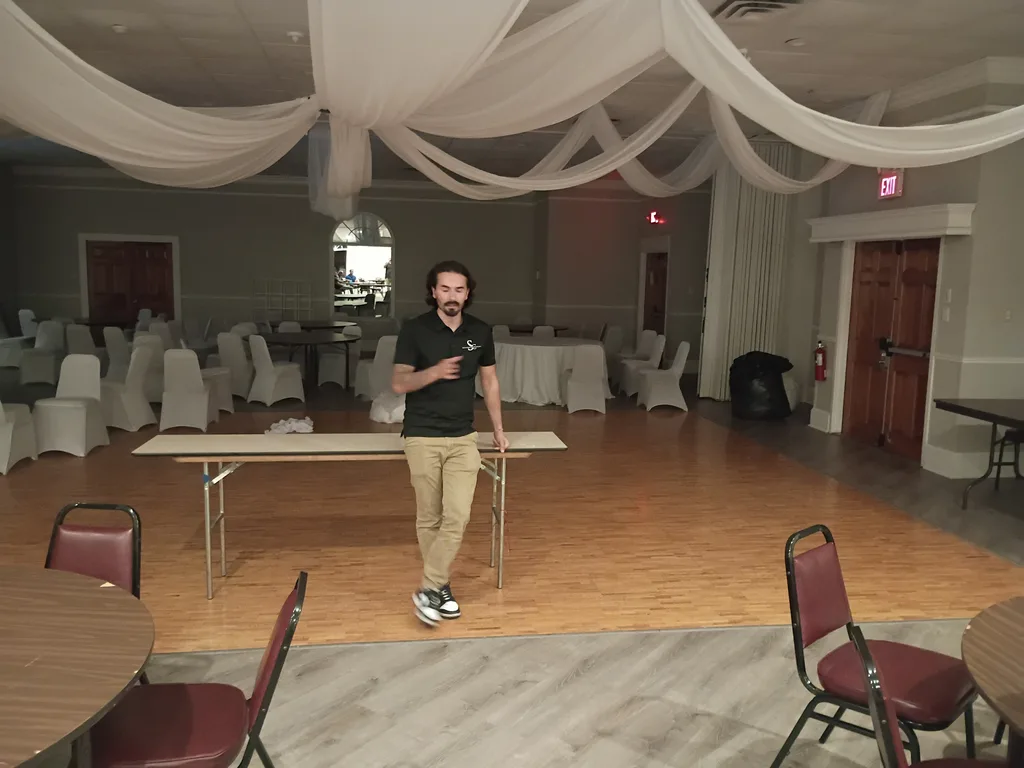
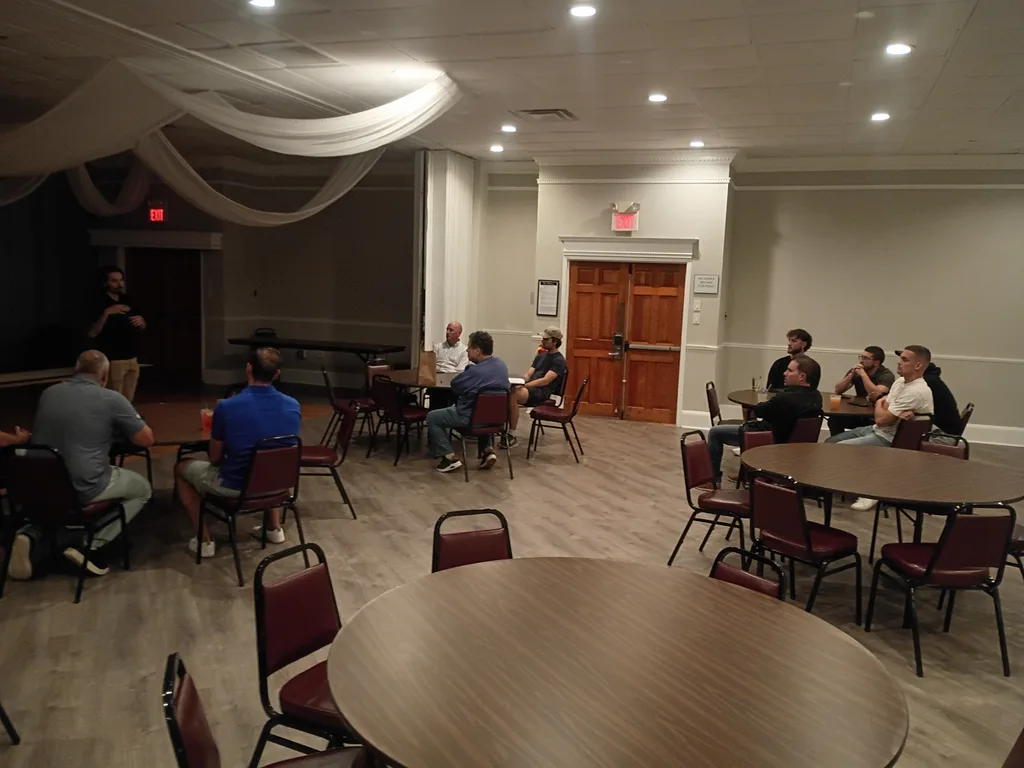
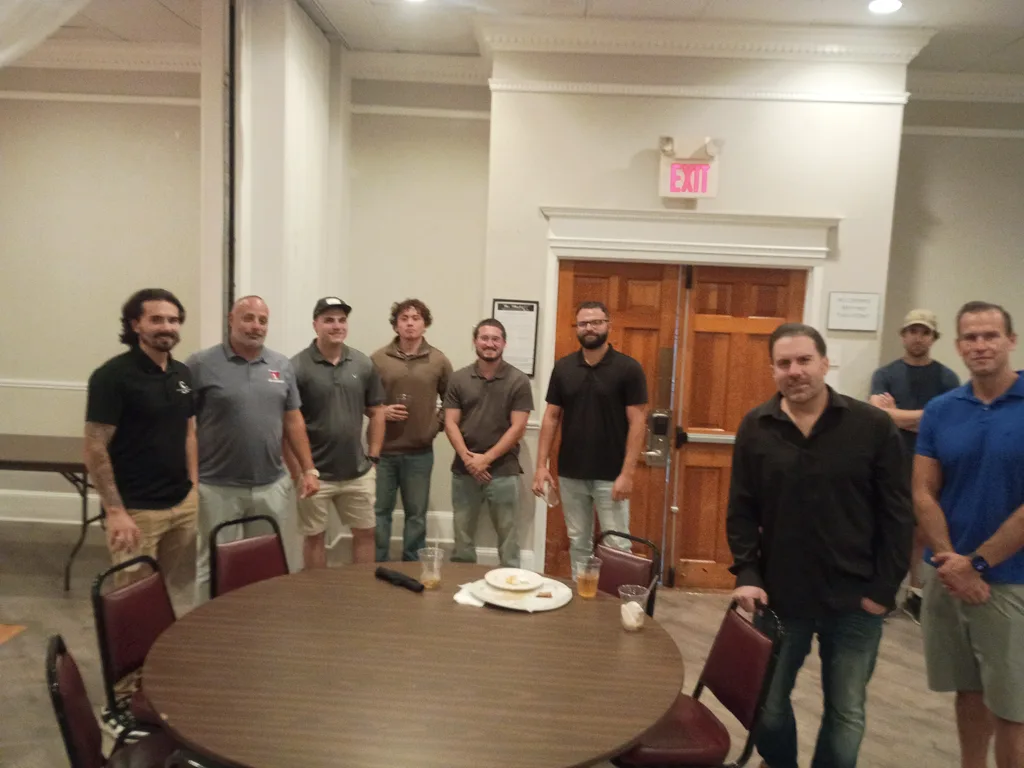
Our most recent South Coast Landlord Association meeting focused on Accessory Dwelling Units (ADUs) and the opportunities, limitations, and costs property owners should understand before moving forward with a project.
Christian Silveira of South Coast and Associates discussed Massachusetts’ new ADU law and how it is intended to help address the state’s ongoing housing shortage.
Under the law, qualifying properties may be able to add an accessory dwelling unit of up to 900 square feet, subject to applicable building, zoning, health, and safety requirements.
Christian explained that ADUs can provide property owners with a practical way to add additional living space or another residential unit to an existing property, often at a lower cost than purchasing or developing an entirely separate property.
Depending on the building and project design, additional fire protection requirements may apply, including the installation of sprinkler systems.
What Does an ADU Cost?
Construction costs remain a significant consideration.
Christian explained that the cost of building a detached ADU can often reach $350 per square foot or more, with projects below $300,000 becoming increasingly uncommon.
Actual costs vary considerably depending on site conditions, utilities, permitting requirements, building materials, design, and whether the ADU is attached to or separate from the existing structure.
Municipal Redevelopment Opportunities
Christian also discussed his work assisting municipalities with Requests for Proposals (RFPs) involving publicly owned property.
These projects can provide opportunities to convert municipal property into privately owned, taxable real estate. However, converting some municipal properties into viable residential developments can be difficult without financial incentives, grants, subsidies, or other public funding.